

The fauna of Japan, rich in diversity, is intricately woven into the tapestry of Shinto and Zen Buddhist traditions. Each animal is not just a part of the ecosystem but a bearer of profound spiritual messages and teachings. This article delves deeply into the shamanic symbolism of eight Japanese animals, revealing their roles in folklore, Shinto, and Zen Buddhist philosophies.






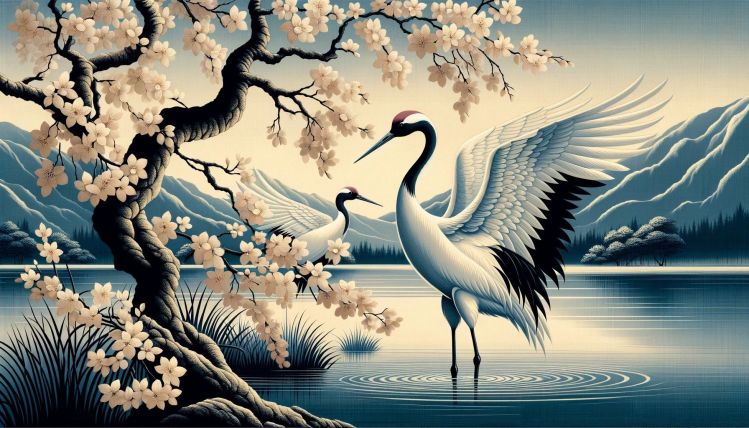
The Crane – Symbol of Happiness and Eternal Youth
In Japanese culture, cranes are celebrated as auspicious creatures symbolising happiness, longevity, and eternal youth. Often depicted in traditional paintings, they’re believed to carry souls to paradise. The crane’s graceful dance is a visual meditation in Zen Buddhism, embodying elegance and tranquility.
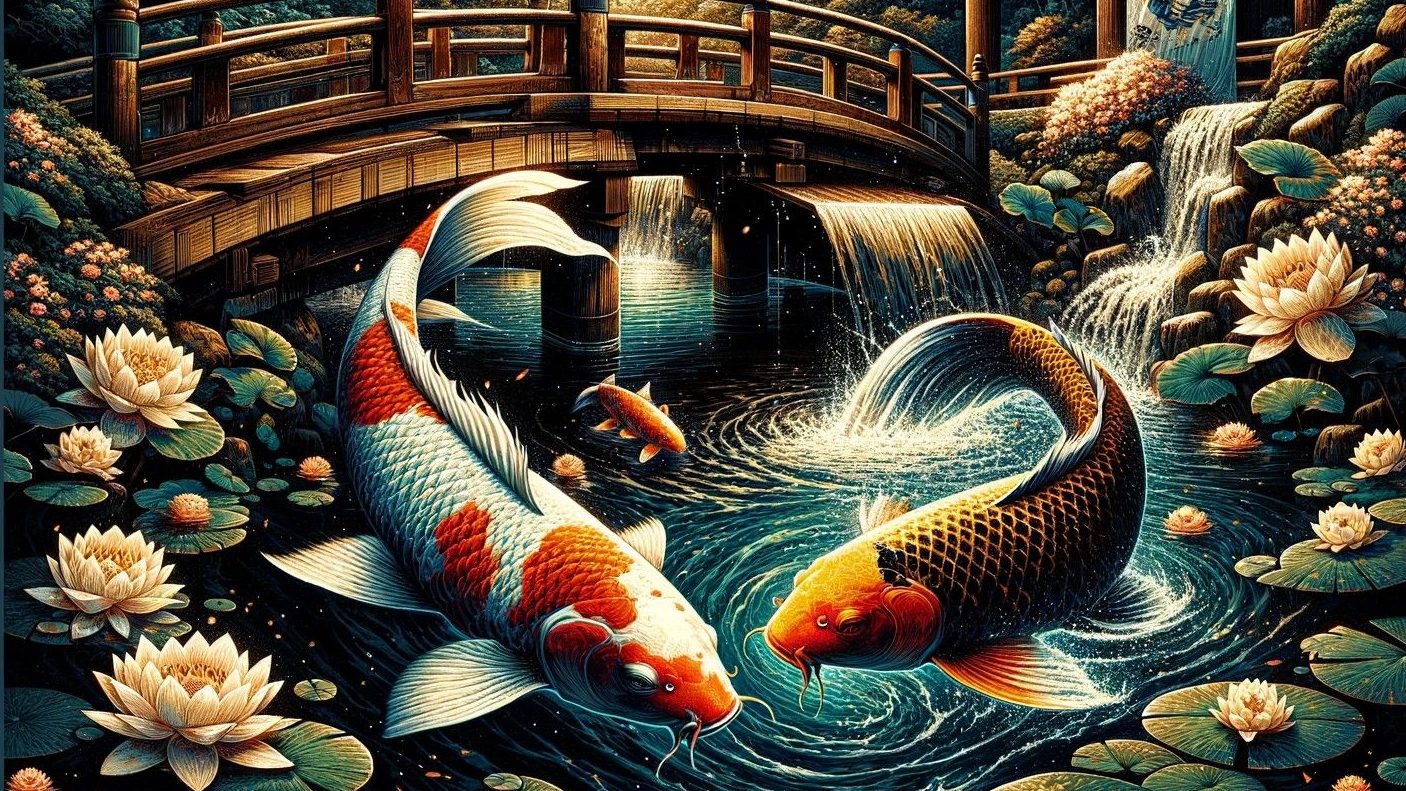
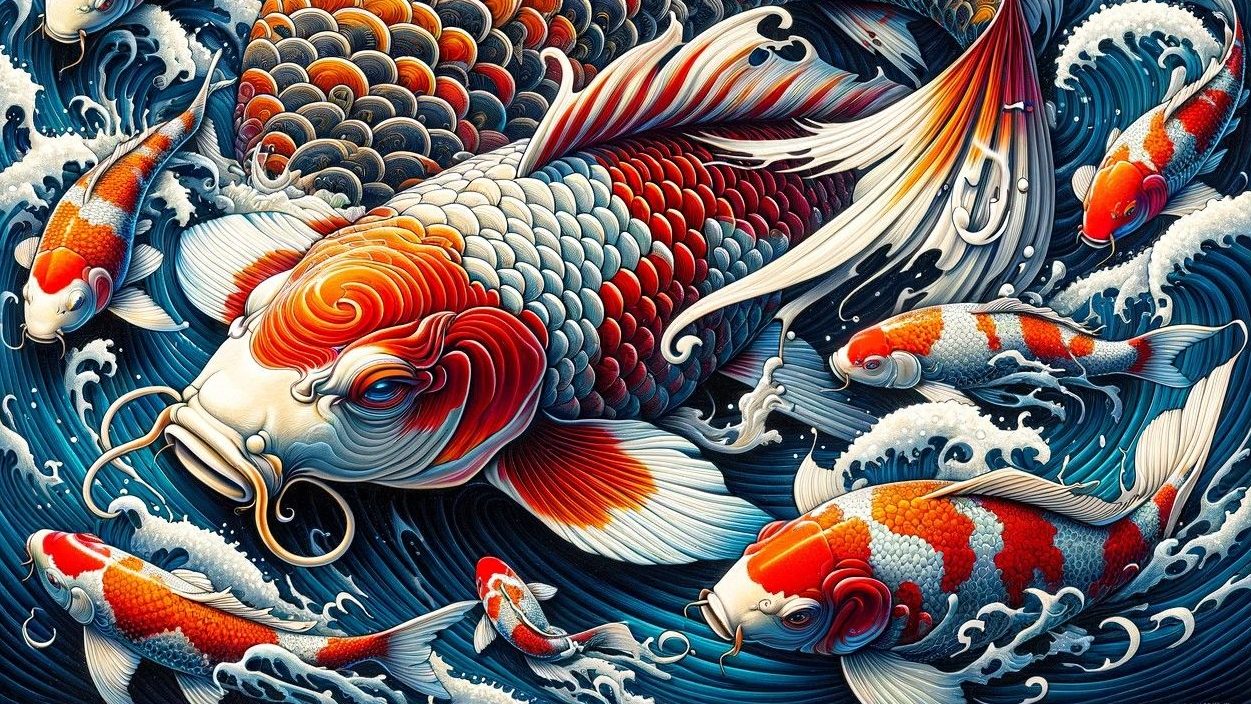
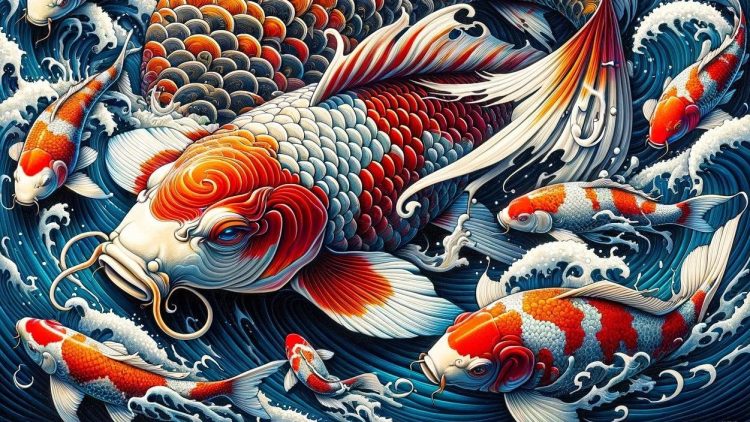
The Koi Carp – Emblem of Courage and Ambition
Koi carp, with their striking colours, represent courage and ambition. A popular legend speaks of their determination to swim upstream, a metaphor for overcoming adversity, aligning with Zen teachings on perseverance. The koi’s journey is a reminder of life’s constant flow and the need for resilience.
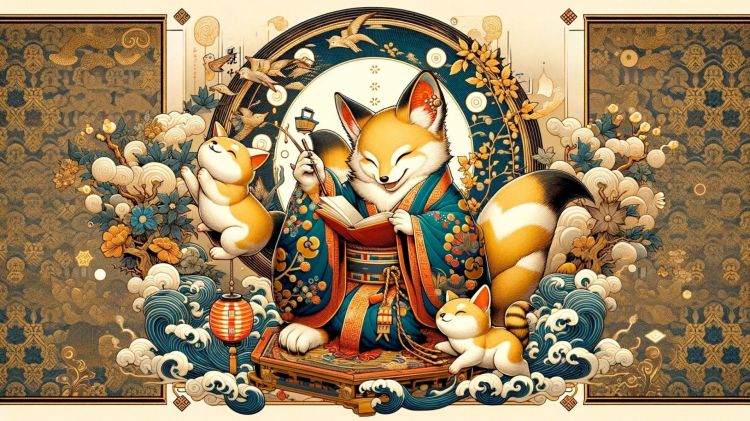
The Fox (Kitsune) – Trickster and Protector
In Shintoism, the fox is revered as both a trickster and a protector, often associated with the rice deity Inari. Kitsune are believed to possess intelligence and magical abilities, symbolising the balance of worldly desires and spiritual wisdom. They embody adaptability, a core principle in Zen practices.

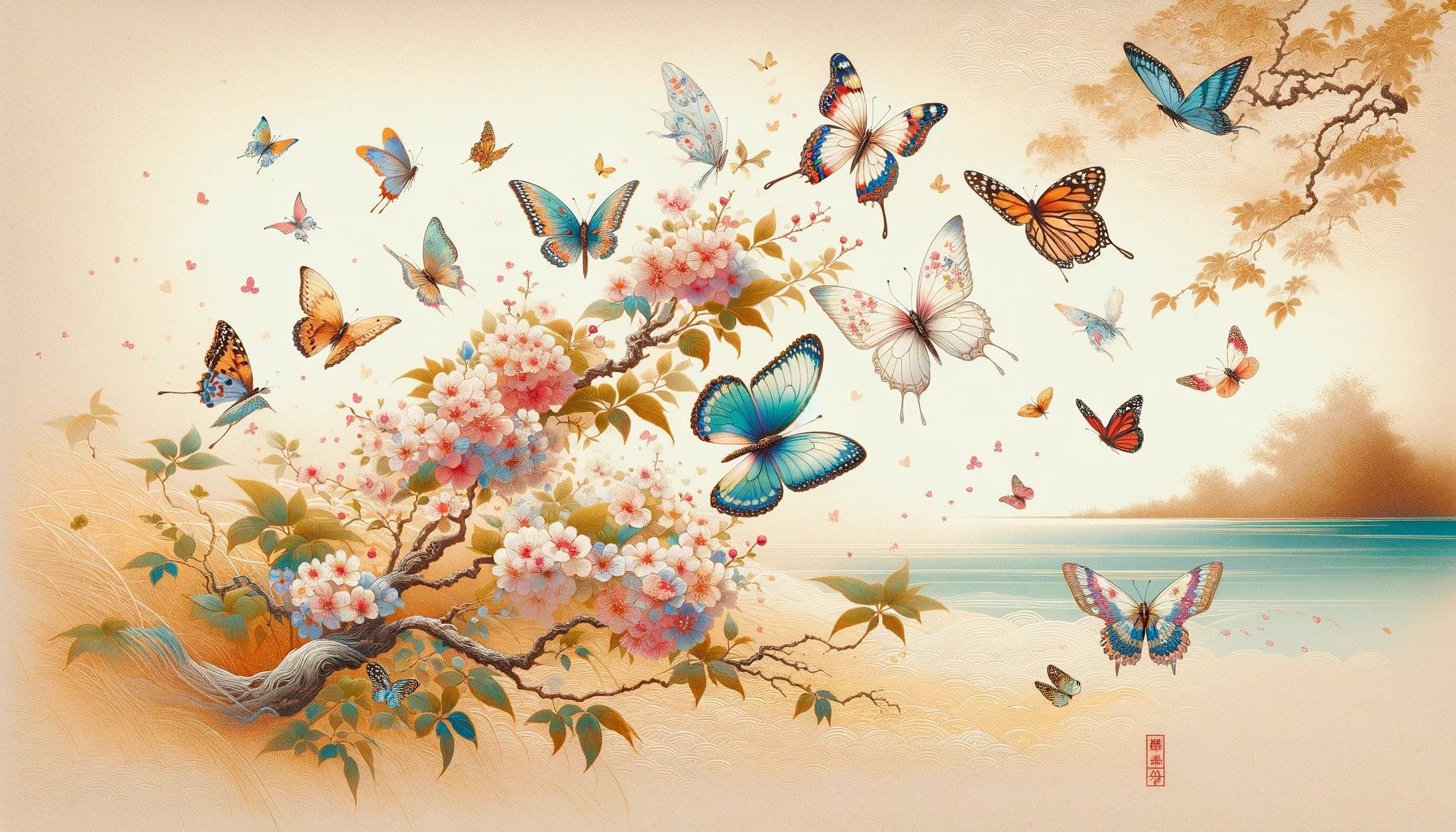
The Butterfly – Delicate Transience of Life
Butterflies in Japan signify the delicate transience of life. Their transformation from caterpillar to butterfly mirrors the Zen concept of rebirth and the transient nature of existence. They are also seen as guides for souls journeying to the afterlife.

The Japanese Serow – A Solitary Sage
The Japanese serow, a creature of solitude, mirrors the hermit-like pursuit of enlightenment in Zen Buddhism. Their preference for remote, mountainous areas symbolises the spiritual journey of ascending beyond worldly concerns, seeking inner peace and wisdom.

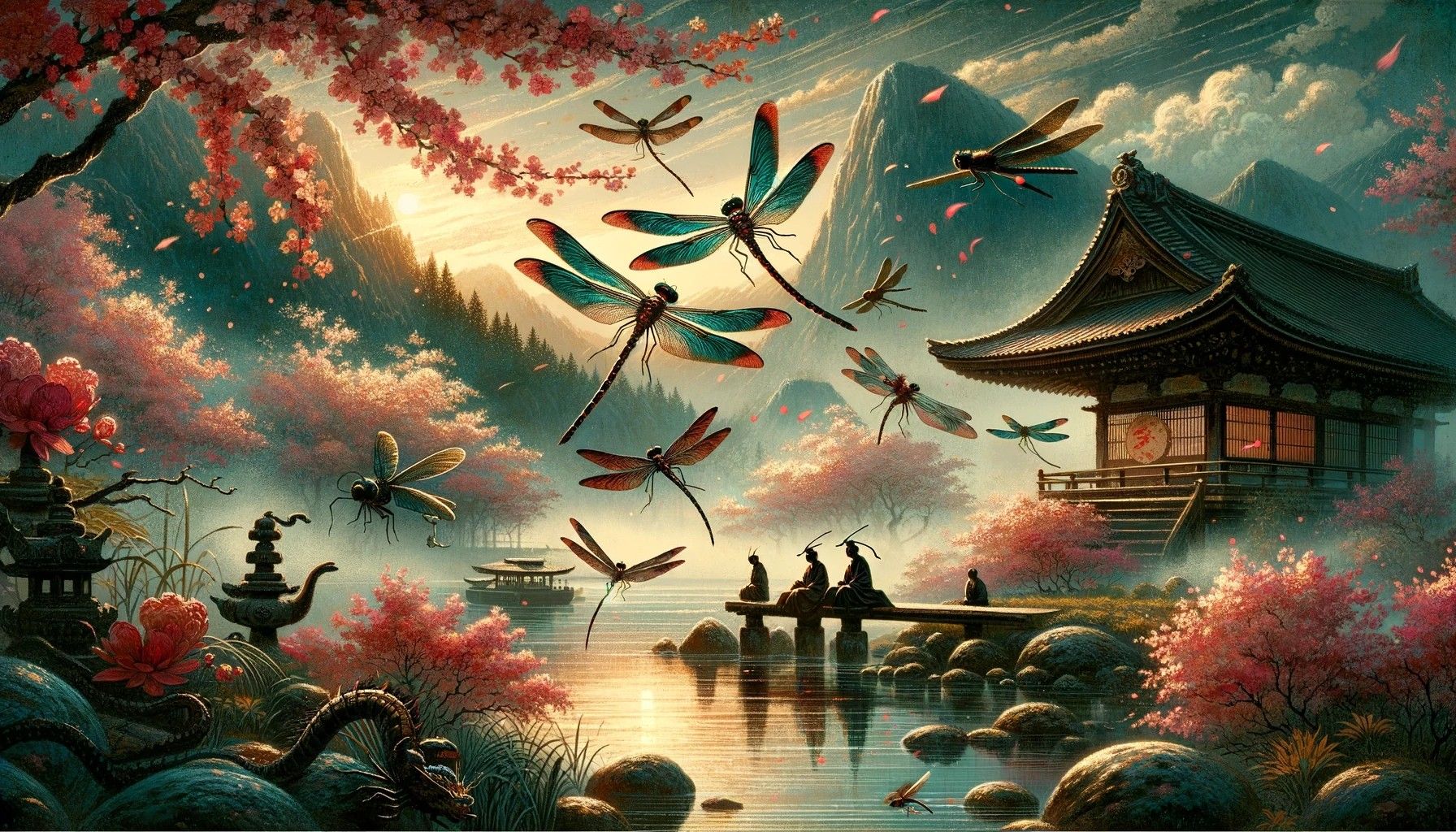
The Dragonfly – The Warrior’s Emblem
The dragonfly, or ‘tombo’, holds significant importance in samurai culture. It is seen as a symbol of agility, victory, and the warrior spirit. In Zen, the dragonfly’s ability to move in any direction mirrors the concept of mind flexibility and adaptability.

The Tanuki – The Shapeshifter and Bringer of Good Fortune
Tanuki, depicted in folklore as jovial tricksters, are also considered symbols of good fortune and prosperity. Their shapeshifting abilities represent transformation, echoing the Zen belief in the impermanence and fluidity of life.
The Turtle – Ancient Wisdom and the Cosmic Order
Turtles in Japanese lore are symbols of wisdom, longevity, and cosmic order. They are believed to support the world, embodying endurance and stability, resonating with Zen teachings that emphasize harmony with the natural world.

Further Reading
1. “Animals in Japanese Folklore” by National Gallery of Art
2. “Shinto: The Kami Way” by Sokyo Ono and William P. Woodard.
3. “Zen and Japanese Culture” by D.T. Suzuki.
4. “Folk Legends from Tono: Japan’s Spirits, Deities, and Phantastic Creatures” translated by Yanagita Kunio.
5. “The Fox and the Jewel: Shared and Private Meanings in Contemporary Japanese Inari Worship” by Karen A. Smyers.
6. “The Significance of Dragonfly Symbolism” by Tychr
These resources offer a blend of anthropological insights, historical perspectives, and philosophical discussions, providing a comprehensive understanding of the deep-rooted connection between Japanese wildlife and the spiritual traditions of Shinto and Zen Buddhism.
 Content Catnip
This artwork is stunning. Thank you for sharing!
LikeLiked by 1 person
Thank you so much for reading my friend big hugs to you
LikeLiked by 1 person