Words dredged up from the pelagic zone of language

Ancient Word: Pellucid
#Pellucid: An adjective meaning “transparent, translucent, admitting the passage of light.” Originating from the 1610s, from #Latin pellucidus #etymology #ancientwords #words #light #shine

Ancient Word of the Day: Pianissimo
“The voice that speaks in him, speaks low, but he who listens with a third ear hears also what is expressed almost noiselessly, what is said #pianissimo.” #etymology #words #storytelling #music #ancient

Ancient Word of the Day: Sansai
Sansai. n. ‘mountain vegetables’ from Japanese. Sansai grow wild in marshlands, and grasslands, or in the forest. Japanese people have been gathering wild food to cook with since ancient times. In fact, wild plants or Sansai have helped Japanese when food has been scarce because of drought or some other natural disaster. When food was…
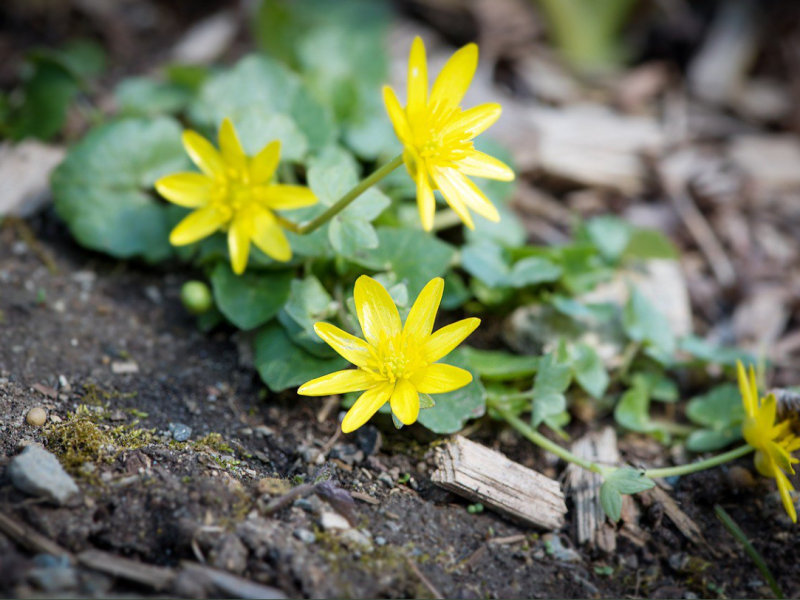
Ancient word of the day: Celandine
This pretty yellow star-like flower is from the buttercup family. It is common to see it flourishing at the beginning of spring in new grasses, hedges and in at the banks of rivers. It blankets forest floors. Commonly thought of as being a weed, it is still absolutely beautiful to behold.

Ancient Word: Dadirri according to Aunty Miriam-Rose Ungunmerr
Dadirri recognises the deep spring that is inside us. We call on it and it calls to us. This is the gift that Australia is thirsting for. It is something like what you call “contemplation”. #listening #Dadirri #words #etymology #books #bookreview
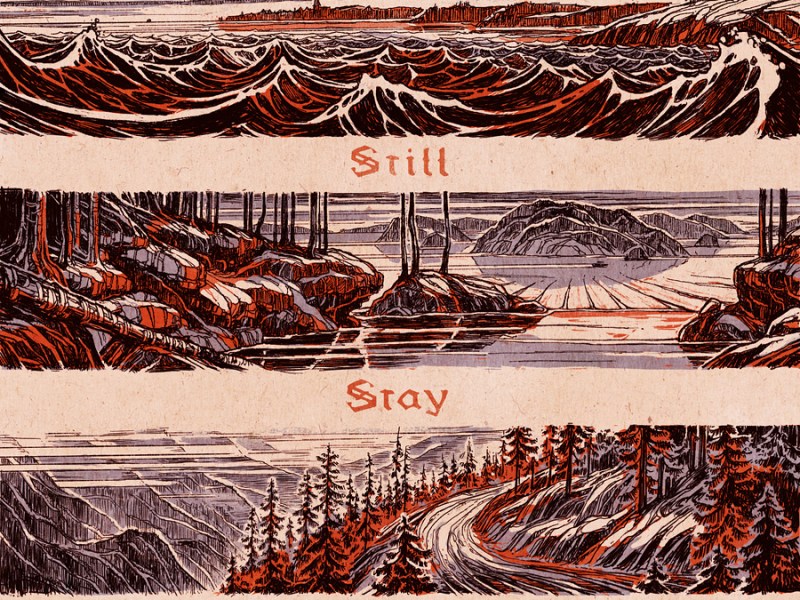
A history of the world’s languages as a gnarly willow tree
The world’s mother tongues have blended and intermingled since humans first stood upright and emerged out of the primeval forests. Here’s a really awesome family tree beautifully illustrated by Minna Sundberg. Minna is an immensely talented illustrator who has been creating a wonderful tales set in northern Europe for her online web comic Stand Still,…

Ancient Word of the Day: Stravaig
Stravaig derives from eighteenth-century Scots extravage, meaning ‘wander about; digress, ramble in speech’, in turn derived from Medieval Latin extravagari ‘wander, stray beyond limits’. Stravaig, in various forms, is found in a wide range of Scottish texts from the late eighteenth-century onwards. Read more

Ancient word of the day: Athene Noctua or Athena’s Owl
The Greek goddess Athena had as her sacred animal familiar the owl, also known as the Athene Noctua in Latin. The Romans, fond as they were of stealing from the Greek pantheon, renamed Athena to Minerva. Athena and her owl are considered to be symbols of wisdom, in both cultures. Athene Noctua Athena’s owl or…

Ancient Word of the Day: Adsum
From Latin: “Adsum” – be here now
The life, in a form, that we all live. Adsum abandons hopelessness and blind hope and even rational hope.
Hope is that virtue by which we take responsibility for the future and a quality that gives our actions special urgency.

Ancient Word of the Day: Lacuna
Ancient Word of the Day: Lacuna “lacuna”- in a manuscript denotes a ‘little lake’ or #hiatus, blank, a missing portion (OED n.1) This word is borrowed from Latin in the 17th Century. Have you ever taken a #pause from your #life or #career? what was this like? A break always gives a clear perspective in…

Ancient Word of the Day: Kairos
When you walk with ‘Kairos’ you learn how to tip yourself out of chronological time and are able to decommodify your footsteps to walk in sacred time and to the rhythm of your creative mind.
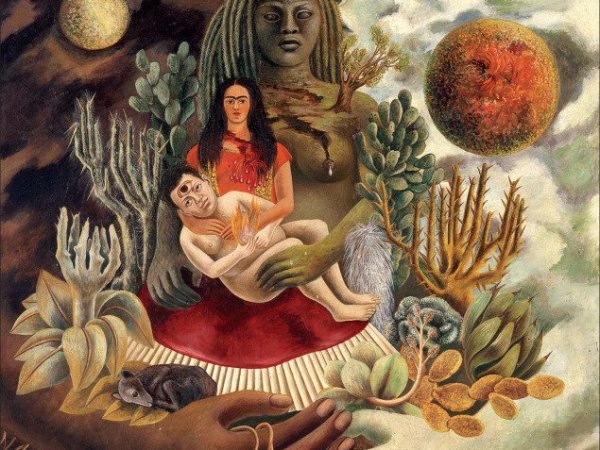
Ancient Word of the Day: Humus
From the word ‘Humus’ come many of the words for being human and humility. For millennia and across many cultures, walking with your bare feet in the earth has been a sign of humility.

Ancient Word of the Day: Lavender
If you think that humble fragrance of lavender is only loved by aromatherapists and older ladies with a penchant for scented drawer sachets – think again. Lavender was officially the scent of elicit medieval sex, according to History of Sex author Kate Lister! Unlike exotic and expensive perfumes, lavender grows wild and plentifully all over…

Ancient Word of the Day: Brumation
A word coined in 1965 by American Zoologist Wilbur W. Mayhew. Brumation denotes a state of torpor and sluggishness brought on by winter. Mayhew used the word to describe the cold-weather dormancy of reptiles. Brumation is also a term commonly used in Biology to describe the dormant period for reptiles. As with hibernation in mammals,…

Ancient Word of the Day: Ubuntu
A beautiful and ancient word that denotes the deep collective power of empathy and humanity. Ubuntu is a Xhosa word that denotes sharing what you have. As in, my humanity is inextricably linked and bound up in yours. Ubuntu recognises that true healing is impossible without recognition of our common humanity and common destiny. ‘The…

The quirky meander through the origins of language in the Polish calendar
With a few exceptions that are Latin, the Polish month names of the year take more from the Pagan world of seasonal changes, rather than from the Latin calendar that we all know and use in English.

Ancient Word of the Day: Siamang
Endangered siamangs are the largest type of the gibbon family. They have distinctive black coats and communicate using a complex system of booming calls. They have gorgeous throat sacks that swell up as they sing together. Like other gibbons they form gregarious and close-knit family groups. They face a major existential threat from palm oil…

Ancient Word of the Day: Sussurate
Sussurate: n: to whisper or murmur. The noise produced by a hive of bees, a rustling of leaves in the forest or the crackling of a fire It turns out that elemental experiences for ancient humans echo and whisper back over aeons and are universally received and recognised. No matter where we are on this…

Ancient Word of the Day: Shizen
Nature is not separate from humankind in Japanese culture. It is a part of us. And the need to keep the two in harmony can be seen in every aspect of life, from the design of gardens that incorporate the natural landscape, to the design of houses that blur inside and outside by means of…

Ancient Word of the Day: Kodama
Many Japanese folk stories are about kodama, a kind of nature deity that lives in a tree, a bit like a Greek Dryad. Some people believed that kodama travel throughout the forest, moving from tree to tree. Others believe that they inhabit a particular tree.

Ancient Word of the Day: Maturun / Binturong
Binturongs, also known in English as bearcats, are long, stocky and heavy tree-dwellers with large bushy tails which they use to communicate. Strangely they have an odd but pleasant scent which people who smell them seem to enjoy – like buttered popcorn. Like all animals large and small they are endangered by palm oil expansion…

Ancient Word of the Day: Komorebi
This Japanese word has no direct translation to English but means ‘the sunlight filtering through the leaves of the trees’. It is made up of three Kanji characters: 木 means tree 漏 means ‘to leak’ or ‘to escape’ 日 means sun Komorebi 木漏日 ~ from Japanese. ‘Sunlight filtering through the leaves of trees The word…

Ancient Word of the Day: Snu
The smell sensing organ in animals is often described as a Snout and when someone is annoyed with you, you may get snubbed by them. Humans since prehistoric times have been sniffing, snuffling, snorting and sneezing and when we are blocked up, we have a lot of snot. Philosopher’s lamp, 1936 Rene Magritte These nasal…

Ancient Word of the Day: Orangutan
Orangutan: n. Orang ‘forest’ hutan ‘person’ or forest person in Malay Orangutans belong to the great ape family, our closest biological relatives. This familial link is reflected in the word orangutan itself, which Malay speakers today can still recognise as deriving from the phrase orang hutan, which means “forest person”. This term goes back over a…

Ancient Words of the Day: Week Days
Why are there seven days in a week? A week is a cycle of seven numbered or named days most likely due to the Jewish calendar. However things get complicated as early medieval Europe inherited the idea of the week from imperial Rome, via Christianity. Name days are similar across all European languages: English, German,…

Ancient Word of the Day: Gibbon / Kebong
The word gibbon entered European languages through French in the 18th century. The French adopted it from the Malay word, kebon. However etymological research shows this Malay word originally came from a group of languages called Northern Aslian, spoken by indigenous communities in peninsular Malaysia. In Northern Aslian, it was probably pronounced kebong. Gibbons are a type of ape…

Ancient Word of the Day: Nightmarish Nursery Rhymes
The sweet little rhymes and refrains that fills out childhoods are actually full of ghoulish and gruesome revelations. Here are some creepy examples… The rhythmic patterns of nursery rhymes provided an ideal framework for infants and children to develop language. Mary, Mary, quite contrary,How does your garden grow?With silver bells, and cockle shells,And pretty maids…

Ancient Words: Cute words in Polish and how to say them
PB and I were thinking about what we would name our pets. Once we get a place where we can have a backyard so that animals can run around, we will be getting a rescue dog and cat or perhaps a whole menagerie. What we discovered was an astonishing number of cute words in Polish,…

Ancient word of the day: Adder
Snakes, serpents, vipers, adders – they all convey ancient power of life over death, of emerging in ones full power to take back what belongs to them, of transformation and return. A potent ancestral spirit and augur from the Land of the Dead. Adder The Adder Vipera berus is the only venomous snake in Britain.…

Eight words in Polish that have no English equivalent
Around ten years ago now I tasked myself with learning Polish. Not for shits and giggles or just to challenge myself but for the very practical reason of being able to communicate with my partner’s family who live in Poland. It was a hard slog and some even consider Polish to be the hardest of…
Something went wrong. Please refresh the page and/or try again.
 Content Catnip