
The #science of optimism, hexahedral imaginary #architecture, the most popular dreams across every country mapped, how to make good small talk, golden roman bracelets and more. It’s edition 138 of #InterestingThings
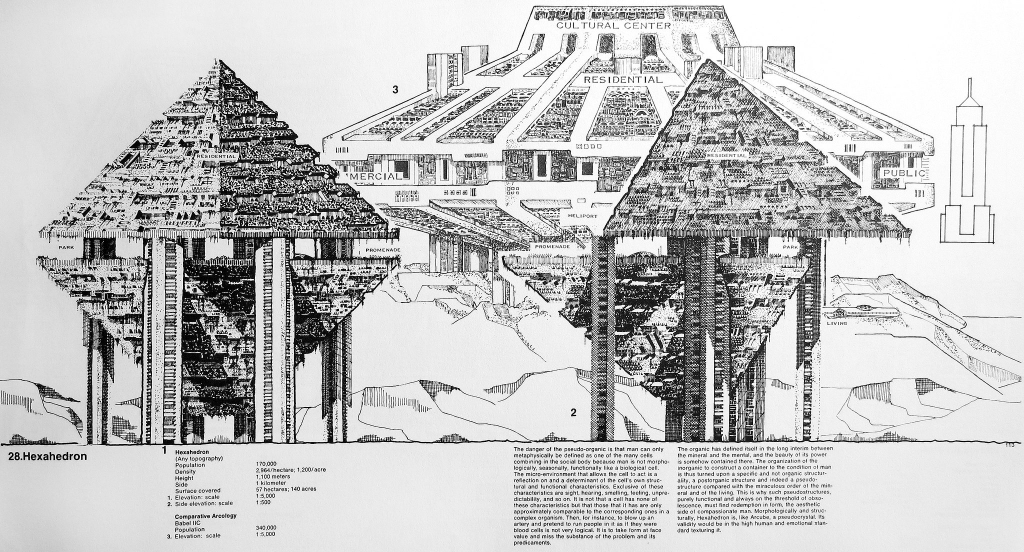
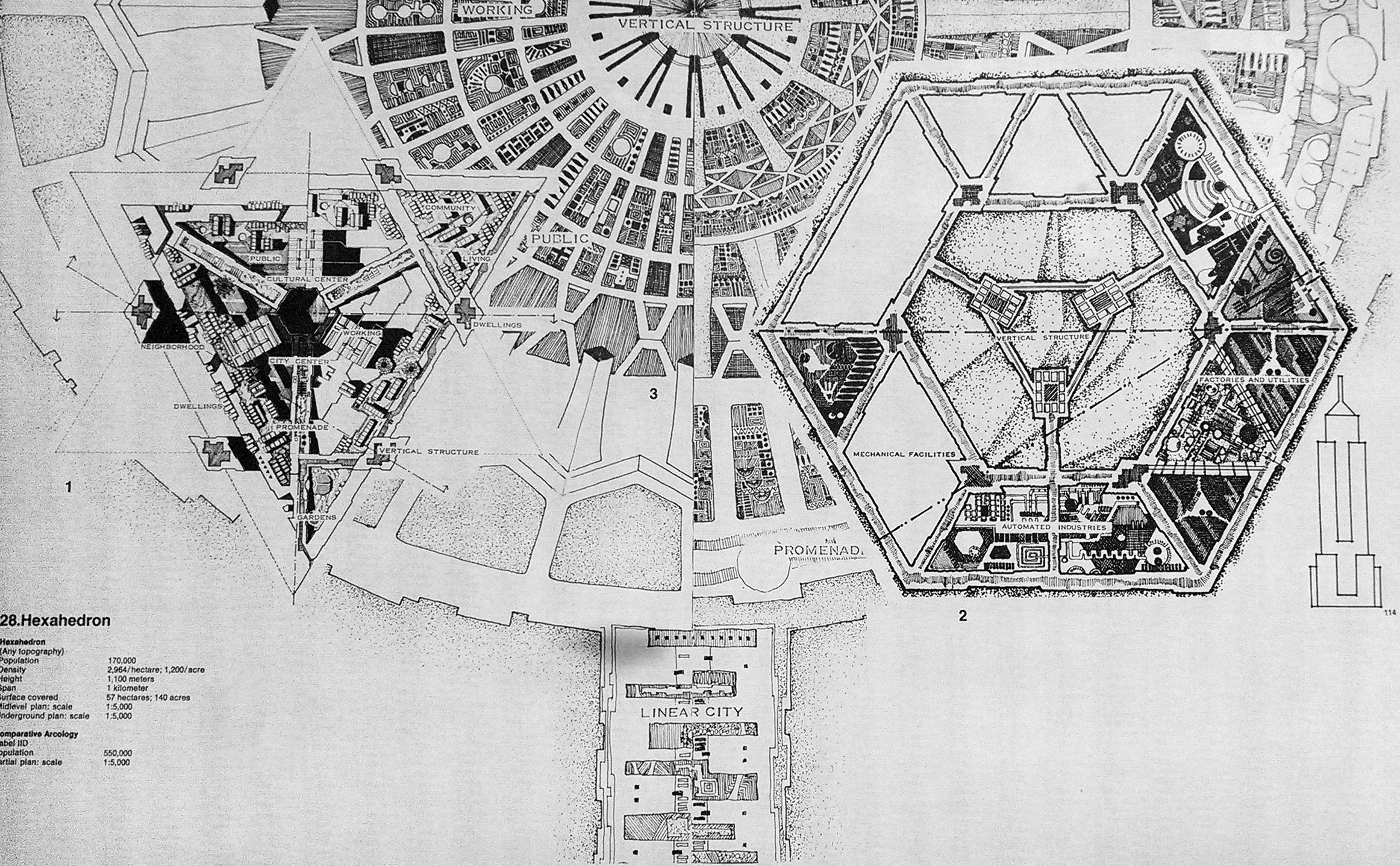
Paolo Soleri’s Hexahedral cities (1969)
Paolo Soleri’s ‘Hexahedron City’ (1969), with its superimposed pyramids, each twice as tall as the Empire State Building, was designed to be adaptable to any terrain and able to house 170,000 people.



In experiments like Arcosanti, Soleri’s work begins to intersect with science fiction… And if you notice any resemblance between this image of his dome residences and Luke Skywalker’s home in the desert of Tatooine, it’s not a coincidence… A dome and a sunken space to seek shelter from the sun and sandstorms, a kind of anti-heat igloo that George Lucas created by integrating pre-existing Berber architectures in the Tunisian locations of Episode IV Photo by Jessica Jameson.
The New Science of Optimism and Longevity
A growing body of research suggests that optimism plays a significant role in promoting both physical and mental well-being.
People with an optimistic mindset are associated with various positive health indicators, particularly cardiovascular, but also pulmonary, metabolic, and immunologic. They have a lower incidence of age-related illnesses and reduced mortality levels. Optimism and pessimism are not arbitrary and elusive labels. On the contrary, they are mindsets that can be scientifically measured, placing an individual’s attitude on a spectrum ranging from optimistic to pessimistic. Framing the baseline of each subject in this way, researchers are able to verify the correlation between optimism level and relative health conditions.

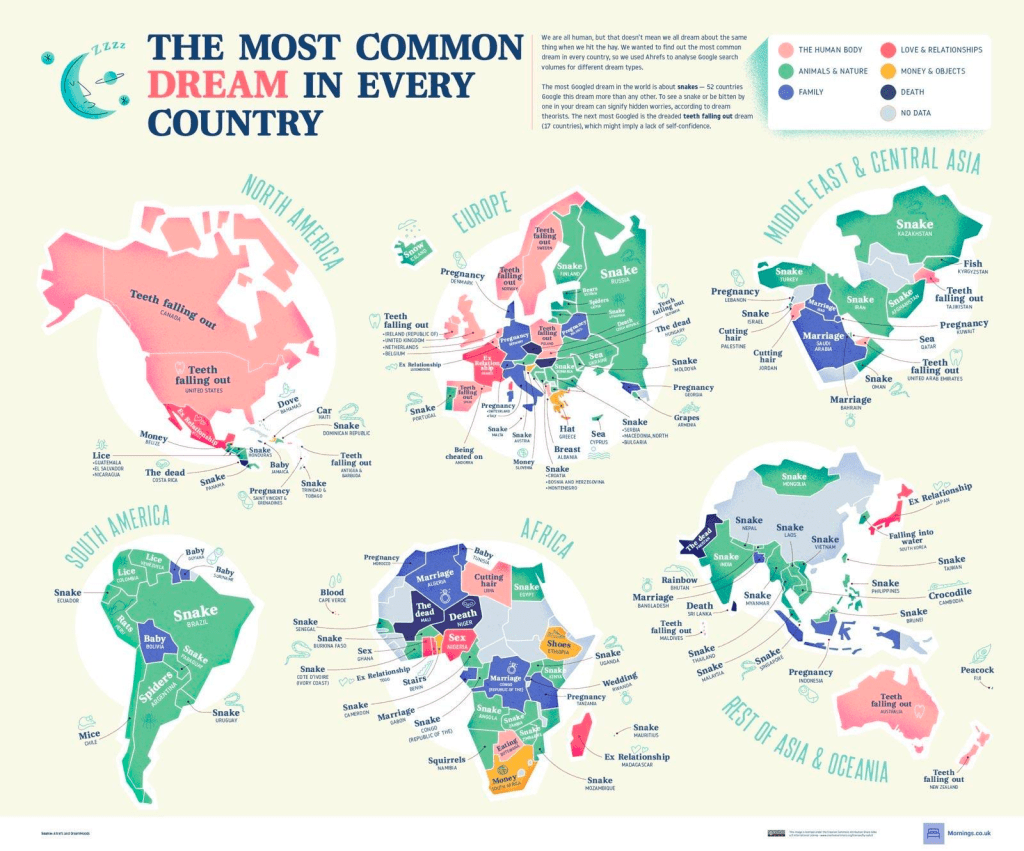
The most common dream in every country
The neglected history of the human face
When a neanderthal was modelled using 3D skull data for Netflix series, they gave her a warm and approachable face. But according to this article, that’s not scientifically accurate and tells us more about us than it does about her. Via Phys.org.
We don’t know what kinds of facial expressions were used by or were meaningful to Neanderthals. Whether or not Neanderthals had the vocal range or hearing of modern humans is a matter of debate and would have dramatically influenced social communication through the face.

None of this information can be deduced from a skull.
Facial surgeon Daniel Saleh told me about the cultural relevance of Shanidar Z: “as we age, we get crescentic creases [wrinkles] around the dimple—this changes the face—but there is no skeletal correlation to that.” Since facial expressions like smiling evolved with the need for social communication, Shanidar Z can be seen an example of overlaying contemporary ideas about soft tissue interaction on the bones, rather than revealing any scientific method.
This matters because there’s a long, problematic history of ascribing emotions, intelligence, civility and value to some faces and not others. How we represent, imagine and understand the faces of people past and present is a political, as well as social activity.
Historically, societies have made the faces of those they want to be connected to more emotionally empathetic. When cultures have determined, however, certain groups they don’t want to connect to and, in fact, want to marginalize, we have seen grotesque and inhuman ideas and depictions rise around them. Take, for example, anti-Black caricatures from the Jim Crow era in the US or cartoons of Jewish people made by the Nazis.
By representing this 75,000-year-old woman as a contemplative and kindly soul who we can relate to, rather than a snarling, angry (or blank featured) cipher, we are saying more about our need to rethink the past than any concrete fact about the emotional lives of Neanderthals.
There is nothing inherently wrong with artistically imagining the past, but we need to be clear about when that happens—and what it is for. Otherwise we ignore the complex power and meanings of the face in history, and in the present.
The epic Achaemenid Gold Bracelet 4-5Century BC
An Achaemenid Gold Bracelet (5th-4th Century BC), put on an arm found in today’s Tajikistan. The Trustees of the British Museum. How amazing! Found via Archaeohistories on Mastodon.

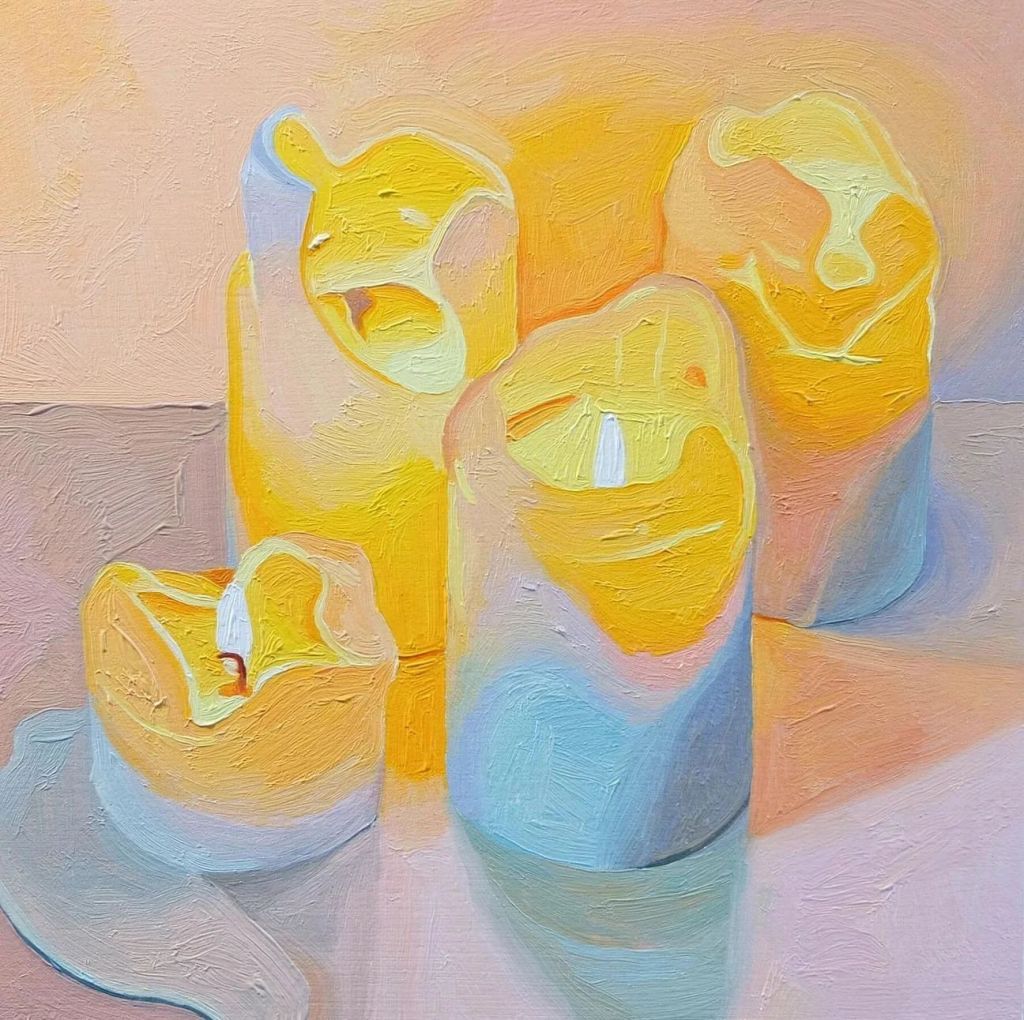
Leah Gardner – Untitled (2022)
When meeting someone new, trying skipping the small talk and digging a little deeper
People usually only disclose their deepest disappointments, proudest accomplishments and simmering anxieties to close friends and family.
But our experiments tested the seemingly radical idea that deep conversations between strangers can end up being surprisingly satisfying.
Yes, others do care
Misconceptions over the outcomes of deeper conversations may happen, in part, because we also underestimate how interested other people are in what we have to share. This makes us more reluctant to open up.
It turns out that, more often than not, strangers do want to hear you talk about more than the weather; they really do care about your fears, feelings, opinions and experiences.
The results were strikingly consistent. For the experiments, we recruited college students, online samples, strangers in a public park and even executives at financial services firms, and similar patterns played out within each group. Whether you’re an extrovert or an introvert, a man or a woman, you’re likely to underestimate how good you’ll feel after having a deep conversation with a stranger. The same results even occurred in conversations over Zoom.
Aligning beliefs with reality
In one telling demonstration, we had some people engage in both a relatively shallow and comparatively deeper conversation. People expected that they would prefer a shallow conversation to the deeper one before they took place. After the interactions occurred, they reported the opposite.
Moreover, the participants consistently told us that they wished they could have deeper conversations more often in their everyday lives.
The problem, then, is not a lack of interest in having more meaningful conversations. It’s the misguided pessimism about how these interactions will play out.
It’s possible, though, to learn from these positive experiences.
Think of the trepidation kids have of diving into the deep end of a swimming pool. The uneasiness is often unwarranted: Once they take the plunge, they end up having a lot more fun than they did in shallower waters.
Our data suggests that something similar can happen when it comes to topics of conversation. You might feel nervous before starting a deeper conversation with someone you barely know; yet once you do, you might actually enjoy digging a little deeper than you typically do.
The influences of Joy Divison and who they have influenced

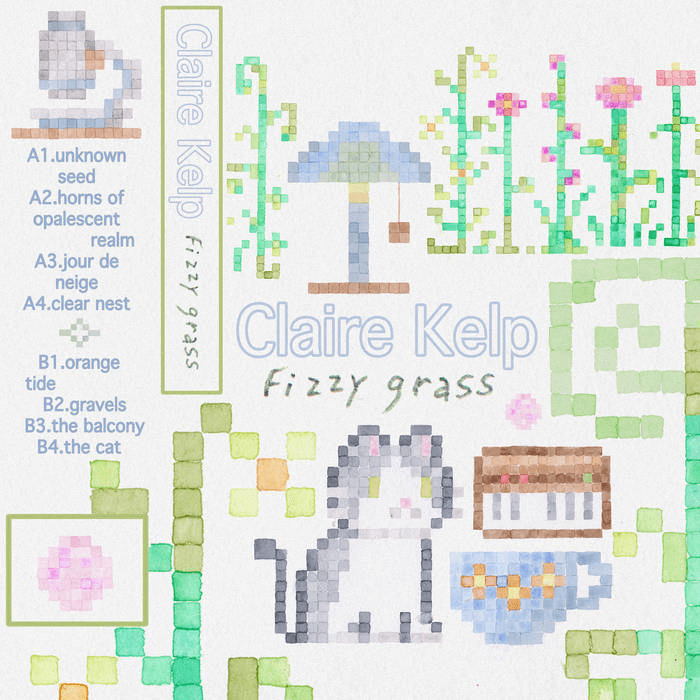
Claire Kelp – Fizzy Grass
I am delighted to know that people still buy and collect rare and beautifully designed cassette tapes. This one by French musician Claire Kelp features stickers in a retro 8-bit style that can be attached to a colourful case. Also the music itself is an extremely relaxing new age ambient sound. It really is lovely!
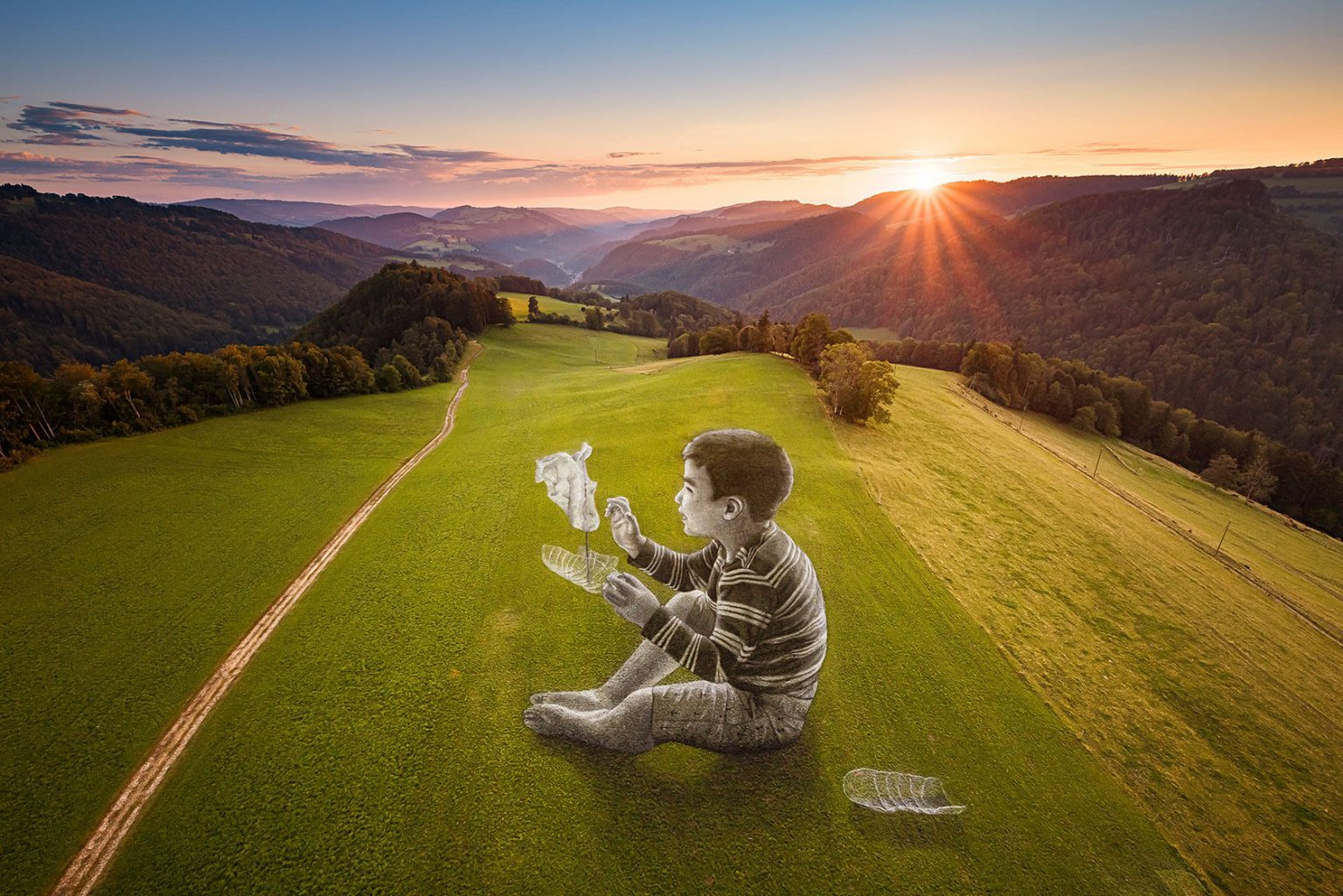
Gargantuan children on top of mountains by street artist Saype
French artist Guillaume Legros, known as Saype is making big waves in street art by painting huge frescoes of gigantic children and hands joined together. He does this on mountainsides and on the grassy lawns below the Eiffel Tower. Saype’s intention is to bring people together to think about the environment, community, connection and caring for our planet for the sake of our children. He uses his own 100% biodegradable paint. Via Inspiration Grid on Mastodon.
Photos by Saype and Valentin Flauraud.






Octopus versus underwater maze
I love octopuses! They are incredible creatures with an alien-like keen intelligence. They feel, think, taste and understand the world through interdependent brains in their arms and if one arm is cut off they can regrow another one. This sort of intelligence arose independently over millions of years from mammals. Their amazing ways and playful curiosity astounds me and that they are farmed for food or put into tiny glass boxes for humans or even killed live on a plate – this breaks my heart into a thousand pieces. This video surprised me, I thought it would be some moron doing cruel “entertaining” tricks using an octopus. Instead it was a scientist who clearly loves them, he explains their intelligence succinctly and created an intricate maze for his octopus friend to navigate through to get to a cache of tasty crustacean snacks. Afterwards, he reasoned that if the octopus successfully navigated through the maze, she would be ready to be released back into the ocean, which is exactly where she belongs and exactly what he did.
Did you enjoy this collection? let me know what you think of it below. Thank you for reading my dear friends!


Interesting stuff about what people dream around the world.
LikeLiked by 1 person
Thank you so much my dear for reading
LikeLiked by 1 person
It is another fascinating collection of you, dear Athena, especially with those paintings. We must keep thinking about children!🤗🤙💖
LikeLiked by 1 person
Thanks so much dear Aladin for reading. Yes those paintings on the side of the mountain are beautiful 😍 for sure…the children are innocent and need protecting wherever they are in the world.
LikeLiked by 1 person