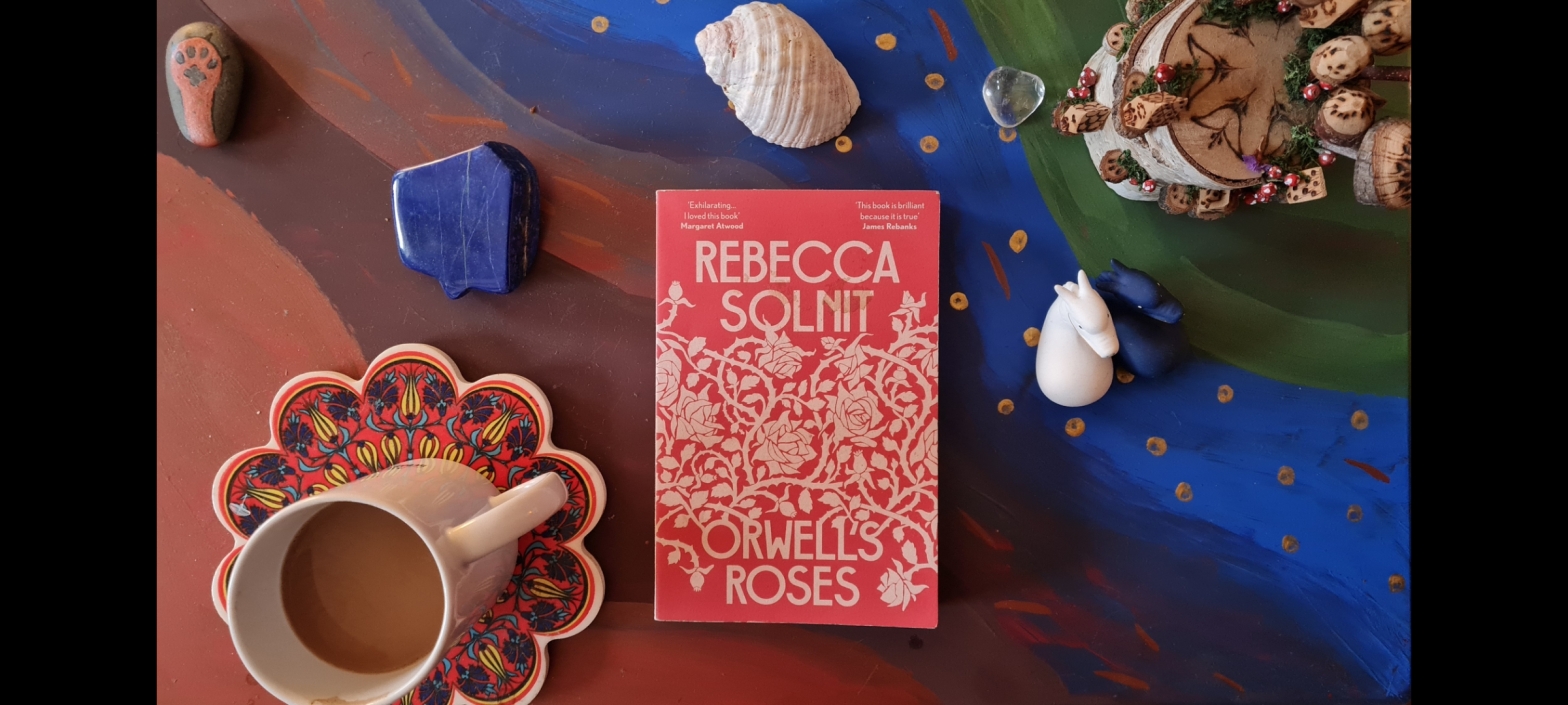
Genre: Literary Non-Fiction, Biography, History
Rating: 🌟🌟🌟🌟🌟
This non-fiction epic is like a rambling rose bush that extends far out into the unknown forest of intellectual curiosity. It features interwoven and enmeshed stories about roses and politics, cultivated by master writer of non-fiction Rebecca Solnit. Yet this is also a biography of one of Britain’s most famous writers and political theorists George Orwell, whose own enduring love of roses outlasted his lifetime. Orwell planted a rose garden in his Hertfordshire cottage, and when Solnit went to the cottage eight decades later, its remnants still stubbornly persist – this is a cause of pure delight, wonder and mystery into the enduring nature of plants, beauty and love.
So what exactly do roses mean? What do they symbolise? In this meandering, and beautifully written book you will learn about the vivid ephemeral nature of roses, their botanical properties, their Britishness and their potent democratic socialist symbolism. Their symbolism of youth, freshness, hope, sex, romance and much more. Solnit recounts the lesser-known history of famous phrase ‘Bread and Roses’.
Bread and Roses
The famed slogan about the right for workers to have time and privacy to themselves to ‘do what they will’, can be attributed to young American writer and suffragette campaigner Helen Todd in 1910. She coined the term at this time for a magazine article she wrote. However, historical records of the phrase erroneously attribute it to poet James Oppenheim who wrote a poem using the phrase in 1911.
Solnit recounts this in the chapter ‘We Fight for Roses Too’.
Helen Todd, a young suffragette lost now to history explains in her article that:
Women’s voting rights would ‘go towards helping forward a time when life’s Bread, which is home shelter and security; and the Roses of life: music, nature, education and books, shall be the heritage of every child that is born in the country, in the government of which she has a voice. There will be no prisons, no scaffolds, no children in factories, no girls driven on the street to earn their bread, in the day when there shall be ‘Bread for all and Roses too’.
Orwell’s roses, pp 86.
And so bread would feed the body and roses would feed something far more subtle: our hearts, imaginations, psyches, senses and identities.
These ideas on the importance of pleasure and work (and conversely what happens when these ideals are corrupted by power) fed into the narratives of George Orwell’s 1984 and Animal Farm.
“The attack on truth and language makes the atrocities possible. If you can erase what has happened, silence the witnesses, convince people of the merit of supporting a lie, if you can terrorize people into silence, obedience, lies, if you can make the task of determining what is true so impossible or dangerous they stop trying, you can perpetuate your crimes.”
― Rebecca Solnit, Orwell’s Roses
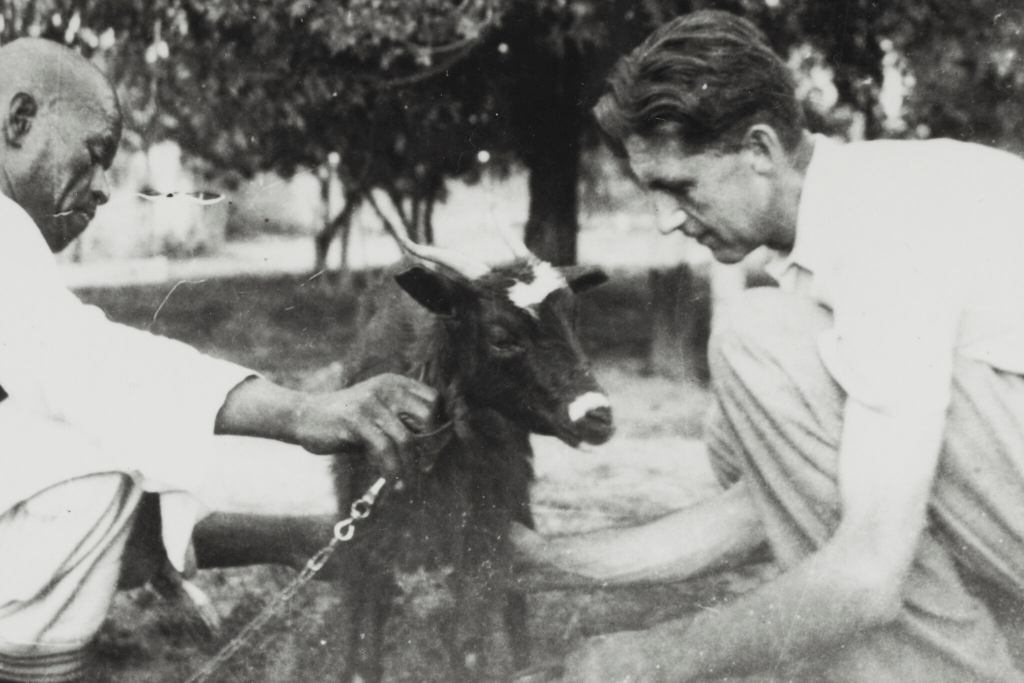
Although Solnit makes it clear that George was not known for having a bleak disposition and was instead remembered by those who knew him for his ebullient and optimistic love of nature, animals, children and plants.
Orwell’s Roses is a fascinating book and I’ve only really just touched on the tip of the iceberg here with these themes. There is so much more. The relevance of these themes are never more prescient to our current world with the encroachment of AI and mass surveillance and many “Orwellian” technological inventions, authoritarian governments and invasive techniques for harvesting our data bring a lot of his ideas off the page and into our modern world.
However, I reassure you that this is not a scary book – however, it is unsettling and thought-provoking. Just like Solnit’s other incredible book A Field Guide to Getting Lost and others she has woven some of the most grim themes of 20th and 21st century history into an unfolding bloom of a book filled with sublime moments. She transmutes the terrifying possibilities of politics and technology into a world of possibility and fragile hope. She conjures up new ways to imagine ourselves as human beings, not at the egotistical centre, but somewhere off towards the side of our fragile, faulty, fleeting natural world. This is not for the faint-hearted though, it’s a haunting and thought-provoking rollercoaster ride.
 Content Catnip