
Why are there seven days in a week?
A week is a cycle of seven numbered or named days most likely due to the Jewish calendar. However things get complicated as early medieval Europe inherited the idea of the week from imperial Rome, via Christianity.
Ever wondered why days of the week are all similar sounding in all European languages? The Latin names of the week are named for Roman gods and later Norse ones, the story of days of the week mirrors stories of wars, conquering tribes and European migrations.
Tweet

Name days are similar across all European languages: English, German, Dutch and all Norse languages. Gods with comparable names, like Tyr, Othinn, Thor and Frigg, were certainly known to the Scandinavians and gave their names to weekdays in Scandinavian languages (compare Modern Danish tisdag, onsdag, torsdag, fredag).
The Latin names for the days of the week, and the Roman gods for which they were named, still live on in all the European Romance languages, like French, Spanish and Italian. Think of French lundi, mardi, mercredi, jeudi and vendredi, for example, and you will find the Latin Luna, Mars, Mercurius, Iovis and Venus hidden behind them.
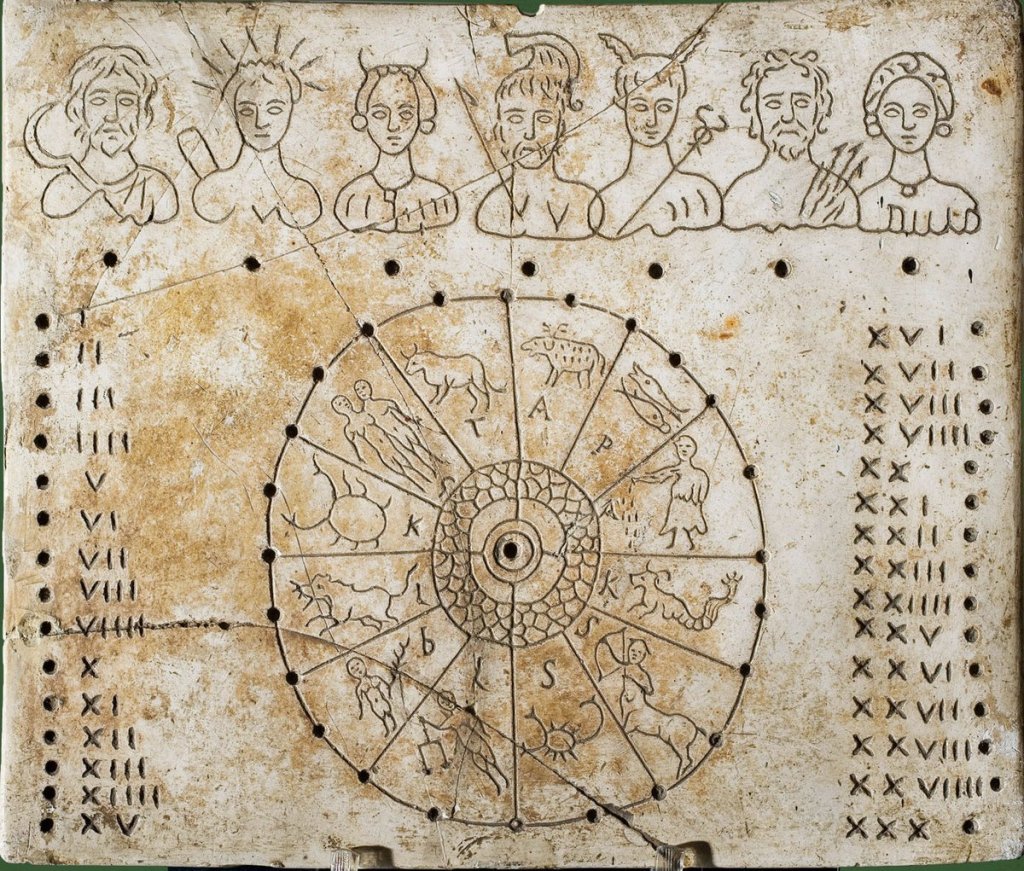
The Romans named their days of the week after the planets, which in turn were named after the Roman gods
Later, the Germanic-speaking peoples of western and northern Europe adopted the seven day week. In early centuries of the Christian era, they named their days after those of their own pagan gods who were closest in character to the Roman deities.
It was these peoples, the Jutes, Angles and Saxons, who brought their gods and language (what would become English) to the British Isles during the fifth and sixth centuries AD. This is how the English days of the week were formulated.

Dies Solis: Day of the sun
Dies Lunae: the day of the moon
Dies Martis: The day of Mars
Tuesday is named for the Anglo-Saxon god Tiw about whom relatively little is known. Tiw was probably associated with warfare, just like the Roman god Mars.
Dies Mercurii: The day of Mercury
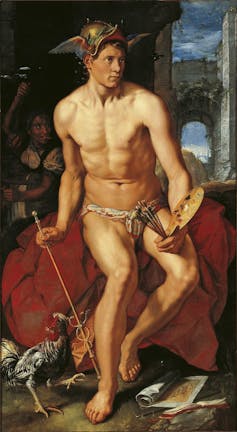
Wednesday is named for the god Woden, who is paralleled with the Roman god Mercury, probably because both gods shared attributes of eloquence, the ability to travel, and the guardianship of the dead.
Dies Iovis: the day of Jupiter
In English Thursday comes from Thunor’s day, or, to give the word its Old English form, Thunresdæg “the day of Thunder”. This sits beside the Latin dies Iovis, the day of Jove or Jupiter. Both of these gods are associated with thunder in their respective mythologies.
Vikings arrived in England in the 9th century, bringing their own very similar gods with them. Anglo-Saxons were already Christian by this time, but may have recognised the similarity between the name of their ancestors’ deity Thunor and the Norse god. We don’t know, but the word Thor does appear in written texts from the period.
Dies Veneris: The day of Venus
Friday is the only weekday named for a female deity, Frig, who is hardly mentioned anywhere else in early English. The name does appear, however, as a common noun meaning “love, affection” in poetry. That is why Frig was chosen to pair with the Roman deity Venus, who was likewise associated with love and sex, and was commemorated in the Latin name for Friday.
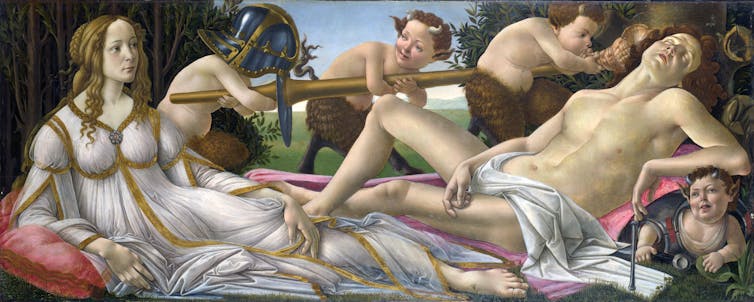
Dies Saturni: The day of Saturn
Saturday is named for the Roman god Saturn and so follows the original Latin.
Here be the Viking Hoard: The Mystery of the Lewis Chessmen
The Lewis Chessmen are a treasure of Viking and Scottish history and have elicited awe and wonder since they were first discovered. They were…
Keep reading
A history of the world’s languages as a gnarly willow tree
The world’s mother tongues have blended and intermingled since humans first stood upright and emerged out of the primeval forests. Here’s a really awesome…
Keep reading
 Content Catnip


Hey thanks Bruce for sharing this I’m so glad you found it interesting have a great weekend 😀
LikeLike